I’m excited to partner with the UMF Honey Association on this sponsored article to share all about the mānuka honey benefits
Mānuka honey has been on my radar for years. I’ve always been drawn to a holistic “food as medicine” approach to wellness, and in college, the yoga studio I practiced at was next to a health food store where I kept hearing about this “magical honey.” Eventually, I tried it, and it was nothing like the honey from the bear bottle I grew up with.
As I studied biochemistry and nutritional science, I wanted to understand what was actually behind the health claims. What could be measured? What did the research actually show? And was this expensive jar of honey really worth convincing my fellow college classmates to spend their limited cash on?
In this guide, I’m breaking down what makes mānuka honey different, its potential health benefits, what UMF ratings actually mean, how to choose a high quality mānuka honey and practical ways to use it.
Mānuka honey is a unique type of honey made from the mānuka plant (Leptospermum scoparium), a plant native to New Zealand.
The mānuka plant has a long history of traditional use by Māori, who used different parts of the plant for cuts, bruises and other ailments. Today, mānuka has become widely researched as scientists look at the compounds behind these traditional uses and how they may fit into modern wellness.
As a dietitian, this is what makes mānuka so interesting to me. I love looking at traditional, food based remedies through a modern science lens, especially when they’re approachable, easy to use and actually taste good.
Mānuka honey is special because of where it comes from (only from New Zealand) and the unique compounds it contains. It’s known for its antibacterial, antioxidant and anti-inflammatory properties, and unlike regular honey, mānuka honey comes in different levels of potency.
Even the taste can change depending on the potency. I had the chance to try a mānuka honey flight while learning about the science behind UMF, and I could really taste the difference, from mild and sweet to almost bitter at the highest potency.
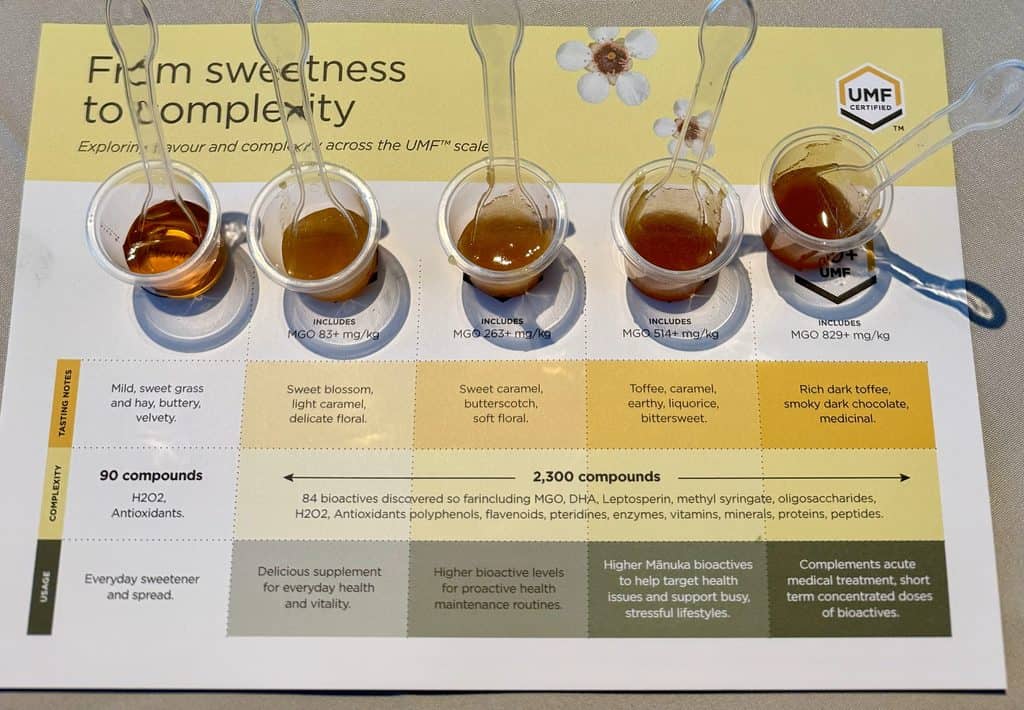
Conventional honey can come from bees collecting nectar from all kinds of plants, including clover, cotton, wildflowers and orange blossoms. Because of this, the flavor, color and consistency can vary depending on the floral source. Most conventional honey has the familiar smooth, pourable texture we associate with honey, making it easy to use for cooking, baking or drizzling over foods.
Mānuka honey, on the other hand, is made from nectar collected from the mānuka plant. It has a thick, creamy texture that reminds me of a fudge-like caramel. It’s less runny than most conventional honey and has a rich, velvety consistency.
One of the compounds that makes mānuka honey unique is methylglyoxal, or MGO. MGO is a naturally occurring compound that contributes to mānuka honey’s antibacterial activity. The amount of MGO can vary between mānuka honeys, which is one reason you’ll see different strengths or potency levels when shopping for it. Generally, a higher MGO level indicates greater antibacterial potency.
MGO is only one part of what makes mānuka honey interesting. Its unique combination of naturally occurring bioactive compounds and potential antibacterial, antioxidant and anti-inflammatory properties has made it the subject of growing health research.
Mānuka honey is known for its natural healing properties, especially when applied topically to wounds and skin. But what about the benefits of eating it? Researchers are now studying whether its antibacterial, antioxidant and anti-inflammatory properties could also benefit us internally. If mānuka honey can help heal a cut or scrape, could it also support our gut lining, soothe acid reflux / GERD symptoms or improve immune health? (1) That’s where the research gets interesting.
We’ve all heard of probiotics, but what about prebiotics? I like to think of our gut as a fire. Probiotics are the beneficial bacteria that help keep our digestive system functioning properly, while prebiotics are the fuel that helps keep that fire going.
Prebiotics are naturally found in foods like green bananas, asparagus, onions and garlic. They’re essentially food for the good bacteria living in our gut.
Interestingly, honey also contains certain carbohydrates called oligosaccharides that may have prebiotic effects. (2) Researchers are exploring whether these compounds in mānuka honey could help support beneficial gut bacteria and overall digestive health.
While there’s some promising early research on honey’s prebiotic potential, we still need more human studies specifically on mānuka honey to understand how eating it affects the gut microbiome.
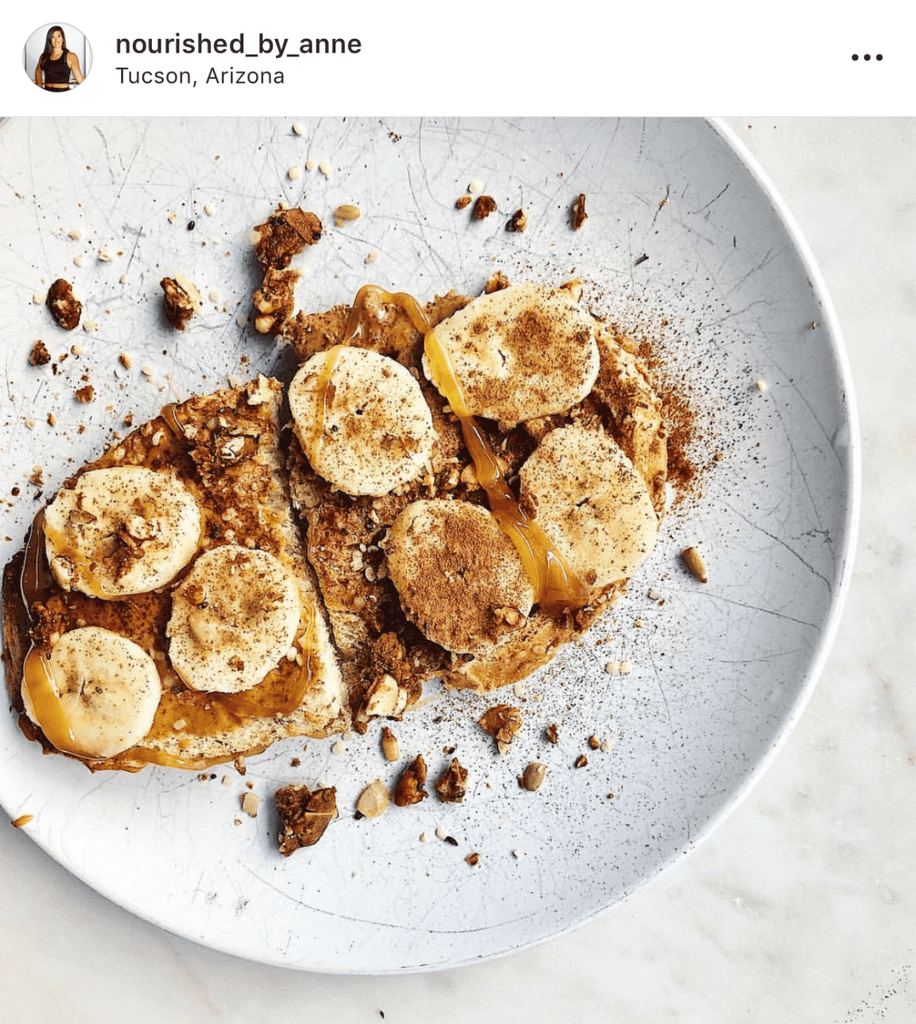
The key to immune health is consistency. Getting enough sleep, spending time outdoors, eating balanced meals and including foods rich in vitamins, minerals, prebiotics and probiotics. It’s the little things we do every day that add up.
For me, mānuka honey is an easy addition to that routine. I take it with me when I travel and love having a spoonful before teaching my morning workout classes for a little energy. What makes mānuka honey interesting is its unique combination of bioactive compounds. Along with MGO, it contains naturally occurring phenolic compounds that have antioxidant activity and are being studied for their potential role in regulating inflammation. Since inflammation and immune function are closely connected, researchers are interested in how these compounds might influence immune responses. While the research is still emerging, it’s another reason I’m interested in mānuka honey as part of my everyday routine.
There’s a reason so many old fashioned cough drops are honey flavored. Honey has long been used to soothe sore throats, and its thick, smooth texture helps coat the throat and calm irritation. I grew up in the Midwest, where winters could reach -20°F with windchill, so I know that feeling of breathing in freezing cold air and wanting something warm and soothing.
When I have a cough or sore throat, I personally reach for a higher strength mānuka honey. It’s soothing, tastes delicious and has become part of my routine whenever I’m feeling under the weather.
Important: Honey should never be given to children under 12 months because of the risk of infant botulism.
UMF stands for Unique Mānuka Factor. It’s a grading and certification system that independently tests mānuka honey for key markers of potency, authenticity, freshness and shelf life. Essentially, it helps you know exactly what you’re buying and gives you confidence in the quality of the product.
With everything we’ve learned about conventional honey adulteration, it’s reassuring to know how seriously New Zealand’s mānuka honey industry takes authenticity. That’s why the UMF certification system was created over 25 years ago, to take honey quality standards to the next level through independent testing and traceability.
UMF certification tests for four key markers:
The good news is you don’t have to remember all of that! When shopping for mānuka honey, just look for the UMF hexagon on the label and a rating of 5+ or higher. That’s how you know you’re getting authentic, independently tested mānuka honey that meets UMF quality standards.
MGO measures one compound responsible for much of mānuka honey’s antibacterial activity, while UMF is a broader certification system that tests multiple markers to verify the honey’s potency, authenticity and quality.
Think of MGO as the star player on a sports team. It’s an important part of what gives mānuka honey its antibacterial activity, but it takes the whole team working together to make an impact. This is called synergy, when different compounds work together to create an effect that goes beyond what one compound can do alone.
In fact, a 2026 study from Aston University found that MGO and sugar alone couldn’t fully explain mānuka honey’s antibacterial activity, suggesting other naturally occurring compounds play an important role. (3)
That’s why MGO alone doesn’t tell you the whole story. UMF certification looks beyond MGO to verify the honey’s potency, authenticity and quality.
When shopping for mānuka honey, the first thing I look for is the UMF™ certification mark. You can find mānuka honey at retailers like Costco, Amazon, Whole Foods and Sprouts, but make sure you’re choosing one that’s labeled monofloral, sourced from New Zealand and has a clearly stated UMF rating.
If you’re new to mānuka honey, I’d recommend starting with the best everyday strength like UMF 10+. This is the most popular grade, more affordable and a great introduction before investing in higher strengths.
And remember, a higher UMF rating doesn’t automatically mean better for every situation! It’s about choosing the right strength and price for how you plan to use it. Below, I’ll share which strengths I personally reach for and why.
| UMF Rating | What It Means | How I’d Use It |
| UMF 5+ | Entry-level potency with lower minimum MGO concentrations and measurable antibacterial activity to be considered a health food.. | Everyday use in tea, smoothies, recipes or as a natural sweetener. |
| UMF 10+ | Moderate potency with higher MGO concentrations and sufficient antibacterial, antioxidant and antiinflammatory activity in lab testing to be suitable for most situations. | My go-to for a spoonful before workouts for quick energy, or when traveling and looking for a convenient addition to my wellness routine and holding off winter ailments. |
| UMF 15+ | High-strength mānuka honey with more concentrated antibacterial activity in laboratory testing. | A spoonful when I’m feeling under the weather or want something soothing for my throat or to have a little less honey but the same nutrient boost. |
| UMF 20+ | Very high potency with some of the highest MGO concentrations and antibacterial activity | Sparingly, when I’m fighting a cold and want a concentrated hit of mānuka honey bioactives to accompany a multifunctional approach to feeling sick. |
I am not kidding when I say I have a jar of mānuka honey in my kitchen AND in my bathroom cabinet! I find it to be such a useful addition to both my recipes and wellness routines.
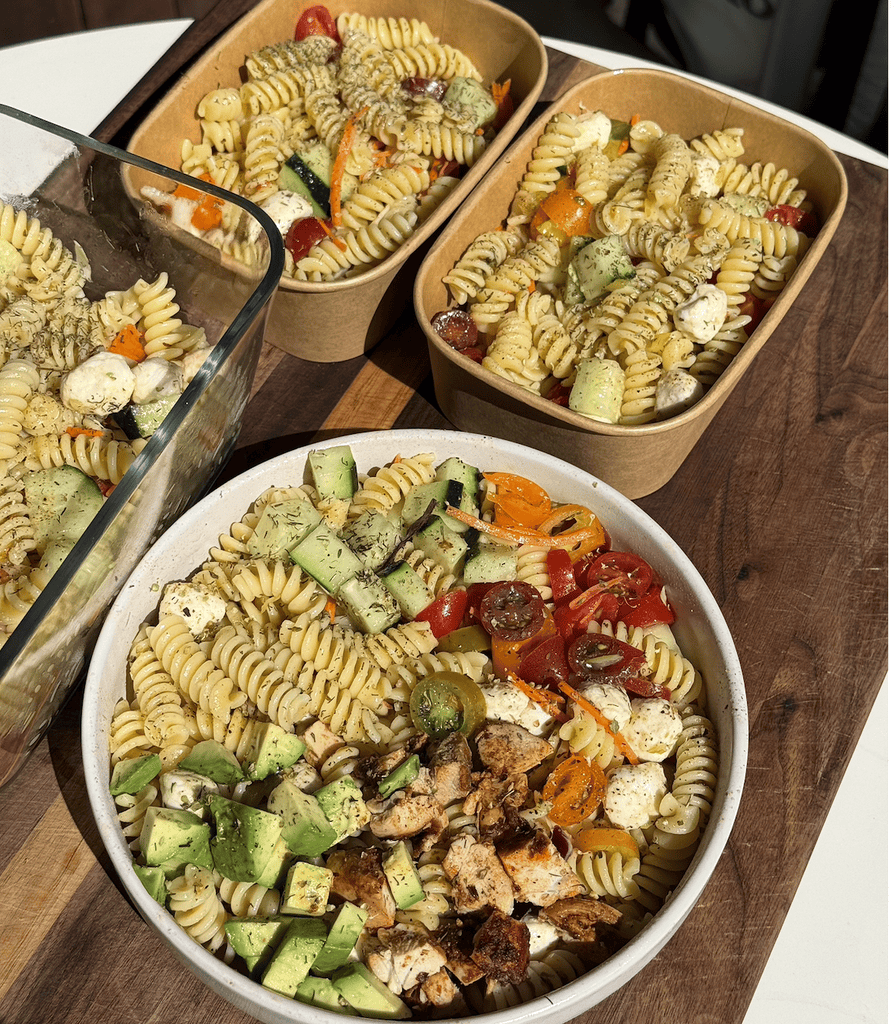
In the kitchen, I love incorporating mānuka honey into recipes where it can stay raw. One of my favorites is my homemade pasta salad dressing, where it adds the perfect touch of sweetness. Excessive heat can reduce some of mānuka honey’s beneficial compounds, so I prefer adding it to foods after cooking. I also love drizzling it over smoothie bowls or using it to make my fall caramel date apples.

Outside the kitchen, mānuka honey has become part of my skincare routine. I love making a DIY matcha and mānuka honey face mask because it leaves my skin feeling soft and hydrated. Honey is a natural humectant, meaning it attracts and helps retain moisture in the skin. It’s one of those ingredients I find myself reaching for in so many different ways!
At the end of the day, honey is still a source of sugar, and like anything, consuming too much can be a problem. But one thing I’ve noticed about mānuka honey is that a little goes a long way! Between its thick texture and rich, distinct flavor, you’ll likely find yourself using it more as a finishing touch rather than a base ingredient in recipes. As a dietitian, I see mānuka honey as something that can complement an overall nutritious diet, not a cure for everything. You don’t need to consume large amounts to enjoy it!
I love using food as medicine, and mānuka honey is an easy addition to my wellness routine without adding another supplement to the stack. From fuel before a workout to soothing my throat before teaching multiple fitness classes, I love how versatile it is! Its unique compounds and growing body of research make it more than just another trendy sweetener.
I’m all about adding things to your diet rather than taking your favorites away. Whether you prefer convenient stick packs for travel or a cute jar on your kitchen counter, just remember one thing when shopping: look for the UMF hexagon! It’s your sign of quality, authenticity and independently tested mānuka honey
References
